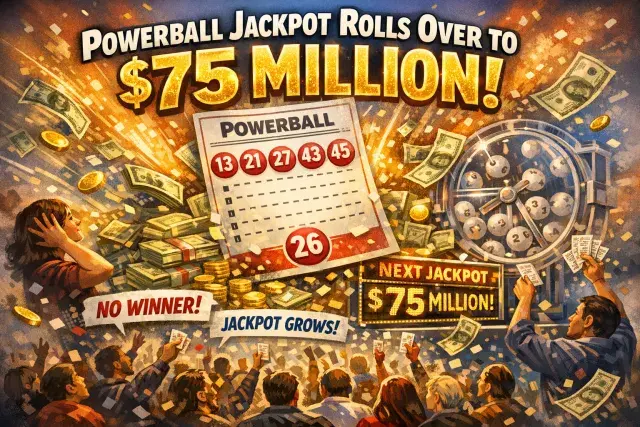
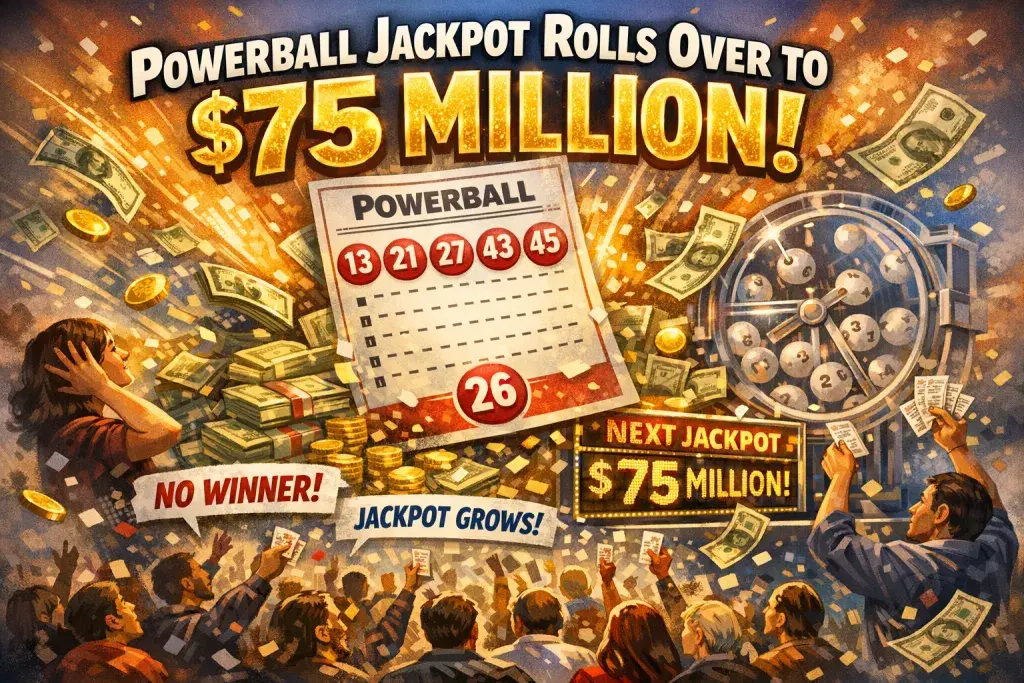
The Powerball jackpot has surged to $75 million following a draw with no grand prize winner, drawing in players nationwide with the promise of life-altering wealth. Winning numbers from the latest drawing—13, 21, 27, 43, 45, and Powerball 26—left the top prize unclaimed, while thousands secured smaller payouts that underscore the game's broad appeal. The next drawing later this week heightens anticipation, as escalating jackpots often reshape participation patterns in unexpected ways.
How Jackpots Build and Why They Captivate
Powerball jackpots grow through a rollover mechanism: when no one matches all numbers, the prize pool accumulates ticket sales from the following draw. This process starts from an initial base amount and compounds with each missed jackpot, fueled by sales that spike as the advertised amount rises. The $75 million figure reflects sustained interest, where each rollover amplifies public excitement and ticket purchases, creating a feedback loop that distinguishes multi-state lotteries from fixed-prize games.
Smaller prizes, awarded for partial matches, ensure frequent wins that keep players engaged. These payouts—from a few dollars to tens of thousands—distributed to thousands in the recent draw, maintain the lottery's allure beyond the headline jackpot. Such structure encourages repeat participation, as winners of lower tiers often reinvest winnings, contributing to the jackpot's momentum.
Surprising Shifts in the Next Draw
Large jackpots like this one frequently lead to ticket sales surges that exceed expectations, sometimes overwhelming retail outlets and online platforms. More players mean slimmer odds for the top prize—roughly one in 292 million for Powerball—but also higher chances for multiple winners if sales distribute tickets widely. Past rollovers have produced split jackpots, where several tickets share the pot, turning a single dream into shared fortunes and prompting debates on windfall management.
Expectations for the upcoming draw include not just jackpot pursuit but a wave of secondary winners, as the game's matrix favors lower-tier matches. Players might encounter longer lines or digital queues, a common outcome when prize visibility peaks. This dynamic reveals lotteries as cultural phenomena, blending hope with probability in ways that influence spending habits across demographics.
Broader Implications for Players and Society
Escalating jackpots highlight lotteries' role in state funding, with Powerball proceeds supporting education and infrastructure in participating states. Yet they also spotlight responsible play: while smaller wins provide immediate gratification, the slim odds prompt calls for viewing tickets as entertainment rather than investment. As the $75 million prize looms, it serves as a reminder of lotteries' dual nature—generating revenue while testing personal financial discipline.
The rollover phenomenon ties into wider patterns of risk and reward in American culture, where collective dreaming drives participation. With the next draw approaching, players weigh the thrill against fiscal reality, often finding value in the shared experience more than the remote grand prize.